Critical Thinking

Blog

These are my articles written over time. Please feel free to ask questions about any post.

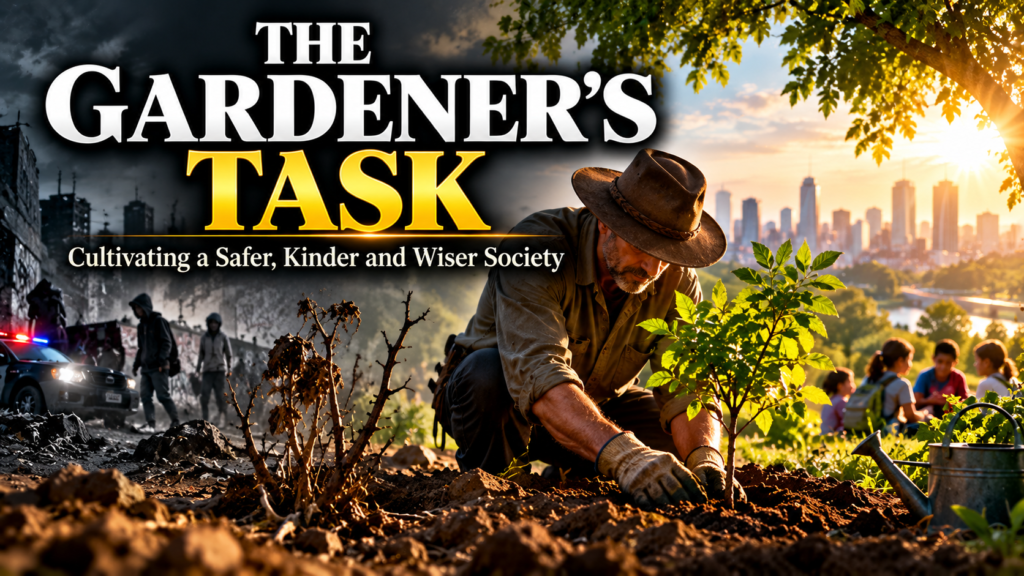
The Gardener’s task

Why a Healthy Society Must Cultivate What It Hopes to Protect We often think of safety in terms of what happens after something goes wrong. A crime is committed, so someone is arrested. Violence erupts, so force is deployed. A community fractures, so authorities intervene. Nations enter conflict, and diplomacy begins only after lives have […]

The Gardener’s task Read More »

Critical Thinking, Leadership, ,
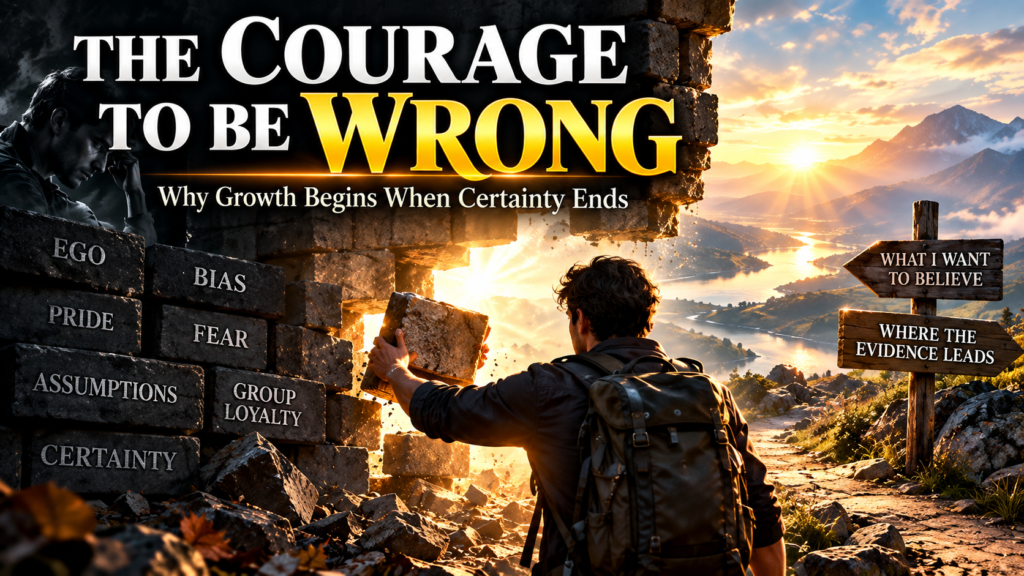
THE COURAGE TO BE WRONG

Why Growth Begins When Certainty Ends There is a peculiar prison the human mind can build for itself. It has no walls, no guards, and no locked doors. Yet once we enter it, escape can become remarkably difficult. Its foundation is a simple conviction: “I cannot be wrong.” We usually associate confidence with strength. We

THE COURAGE TO BE WRONG Read More »

Critical Thinking,

The Power of Right Thinking | Aligning Intellect with Purpose

Every human being is born with the ability to think—but right thinking is something we must learn to cultivate. The Power of Right Thinking is a philosophical journey into the relationship between thought, truth, action, and purpose. Our minds are constantly influenced by fear, anger, assumptions, personal desires, social pressures, and the opinions of others.

The Power of Right Thinking | Aligning Intellect with Purpose Read More »

Critical Thinking, Life Purpose, , ,

The Footnote: Where Understanding Begins After the Sentence Ends

(Why serious thinking requires us to follow ideas beyond the words immediately before us) A researcher sits alone in an old library. Before her lies a historical document. One sentence has been underlined: “The city refused.” The statement appears straightforward. The city refused. But refused what? She continues reading and notices a tiny number beside

The Footnote: Where Understanding Begins After the Sentence Ends Read More »

Critical Thinking, , ,

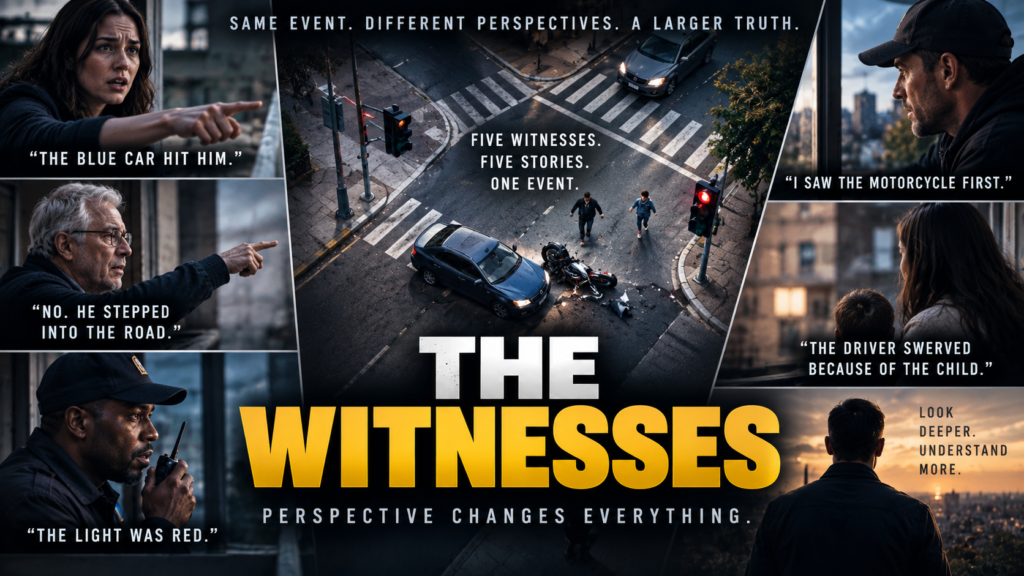
The Witnesses: When Honest People See Different Truths

(How perspective shapes what we know—and why disagreement does not always require deception) Five people stand at five different windows overlooking the same intersection. An accident happens below. A pedestrian falls. A blue car stops abruptly. A motorcycle skids across the road. People begin running toward the scene. Later, investigators question the witnesses separately. The

The Witnesses: When Honest People See Different Truths Read More »

Critical Thinking, , , , ,

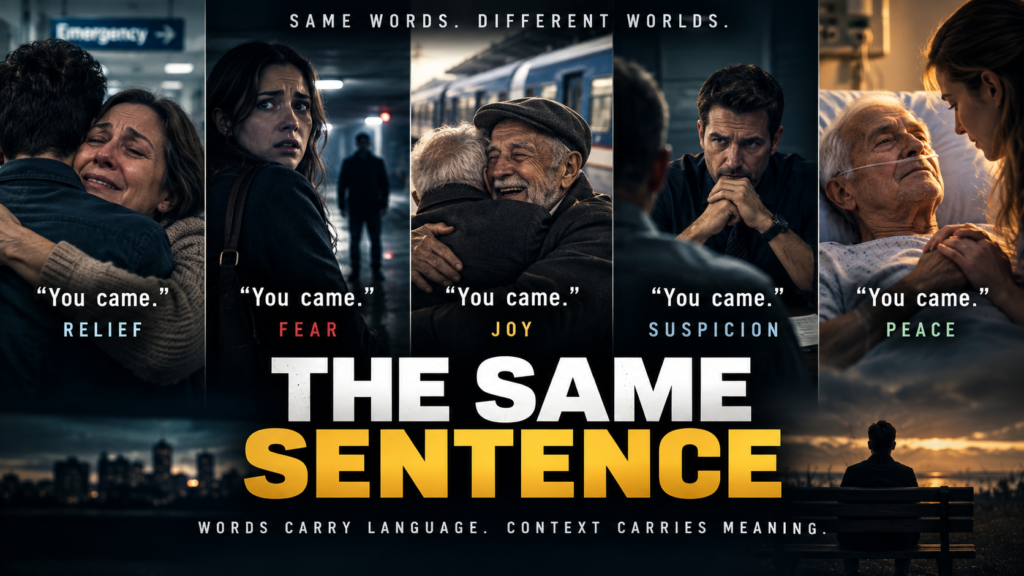
The Same Sentence: Why Words Alone Are Not Always Enough

How context transforms language into meaning Two people can say exactly the same sentence and mean entirely different things. Imagine five people saying only two words: “You came.” A mother sees her estranged son entering a hospital after she has desperately tried to reach him. “You came.” Relief. A woman sees someone she fears unexpectedly

The Same Sentence: Why Words Alone Are Not Always Enough Read More »

Critical Thinking, , ,

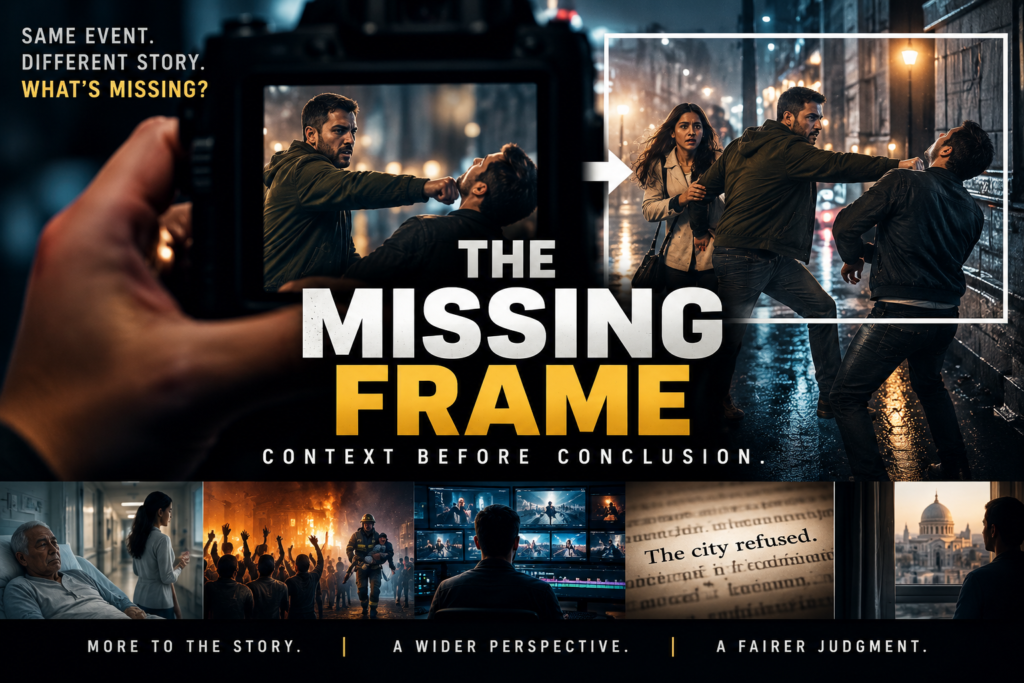
The Missing Frame | What You Saw Was Real. But Was It the Whole Story?

What if everything you were shown was true—and yet the conclusion you reached was wrong? The Missing Frame is a cinematic exploration of one of the most subtle problems in human judgment: a fact does not have to be false to create a false understanding. Sometimes, it only has to be separated from the context

The Missing Frame | What You Saw Was Real. But Was It the Whole Story? Read More »

Critical Thinking, , , ,

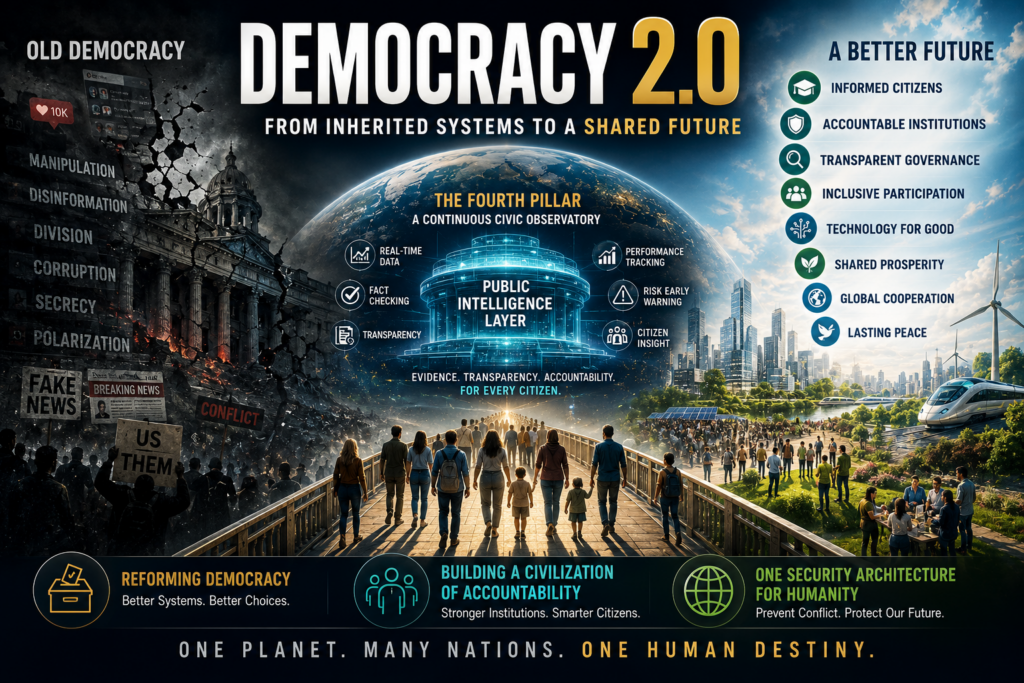
Democracy 2.0

Our political systems were designed for an era of newspapers, local communities, and slower information flows. Today, democracies operate inside an environment of social media manipulation, AI-generated narratives, billion-dollar lobbying, psychological targeting, and information warfare. The challenge is not merely “Who should govern?” The challenge is: “How do we build a system that remains healthy

Democracy 2.0 Read More »

Critical Thinking, , ,

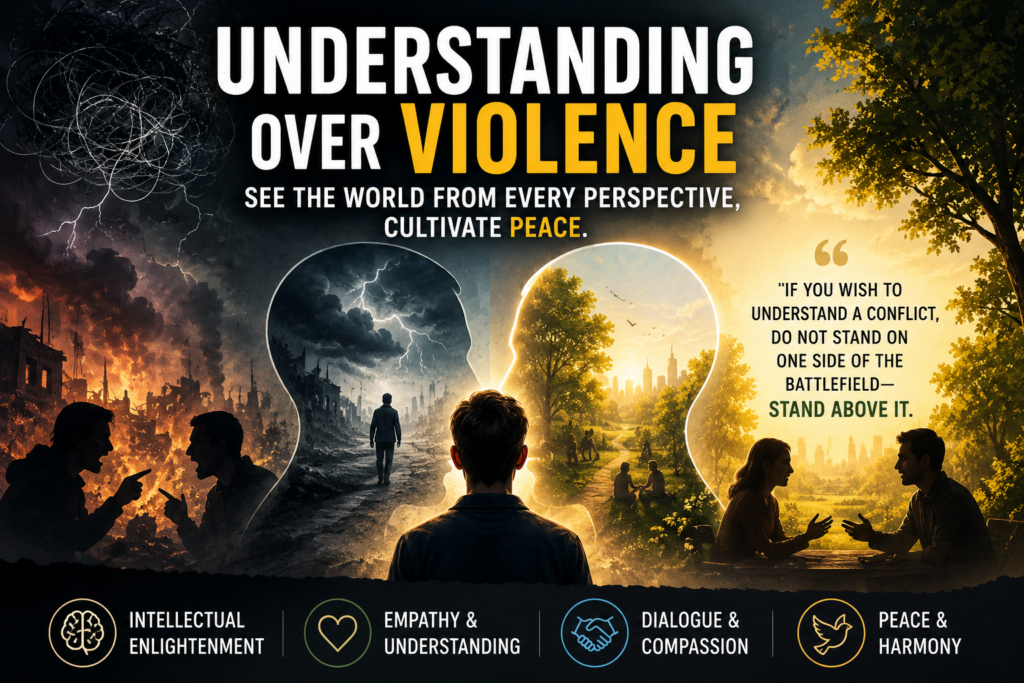
The Antidote to Violence | When Minds Awaken

Violence is often treated as a problem of weapons, laws, or power, but its roots frequently lie deeper—in the realm of ideas. Misunderstanding, ignorance, prejudice, and flawed ways of thinking can cloud judgment and fuel division. The cultivation of intellectual enlightenment acts as an antidote to these destructive forces, helping us see reality more clearly

The Antidote to Violence | When Minds Awaken Read More »

Critical Thinking, ,

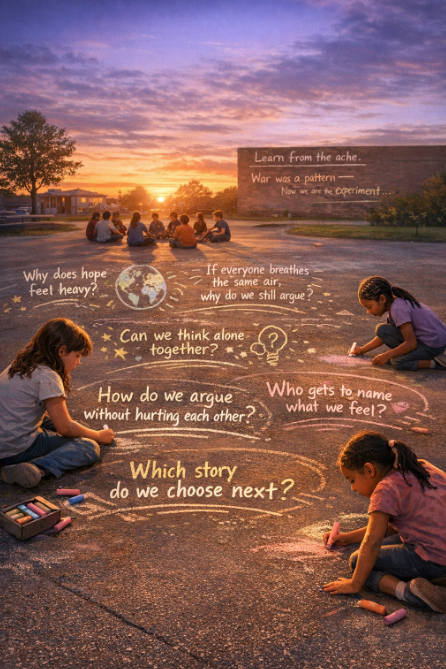
The Children Ask Better Questions

Date: 2038–2040 Location: Everywhere learning still happened — schools, plazas, kitchens, quiet circles Weather: Clear days, reflective skies — no storms, only stillness The children did not overthrow the adults. They reframed them. Growing up in a world that no longer flinched at truth left a strange inheritance: when everything could be questioned, nothing escaped

The Children Ask Better Questions Read More »

Critical Thinking, , ,