Syed Suhail Ahmad

Syed Suhail Ahmad, Author at Next Wisdom - Page 2 of 71

The Same Sentence: Why Words Alone Are Not Always Enough

How context transforms language into meaning Two people can say exactly the same sentence and mean entirely different things. Imagine five people saying only two words: “You came.” A mother sees her estranged son entering a hospital after she has desperately tried to reach him. “You came.” Relief. A woman sees someone she fears unexpectedly […]

The Same Sentence: Why Words Alone Are Not Always Enough Read More »

Critical Thinking, , ,

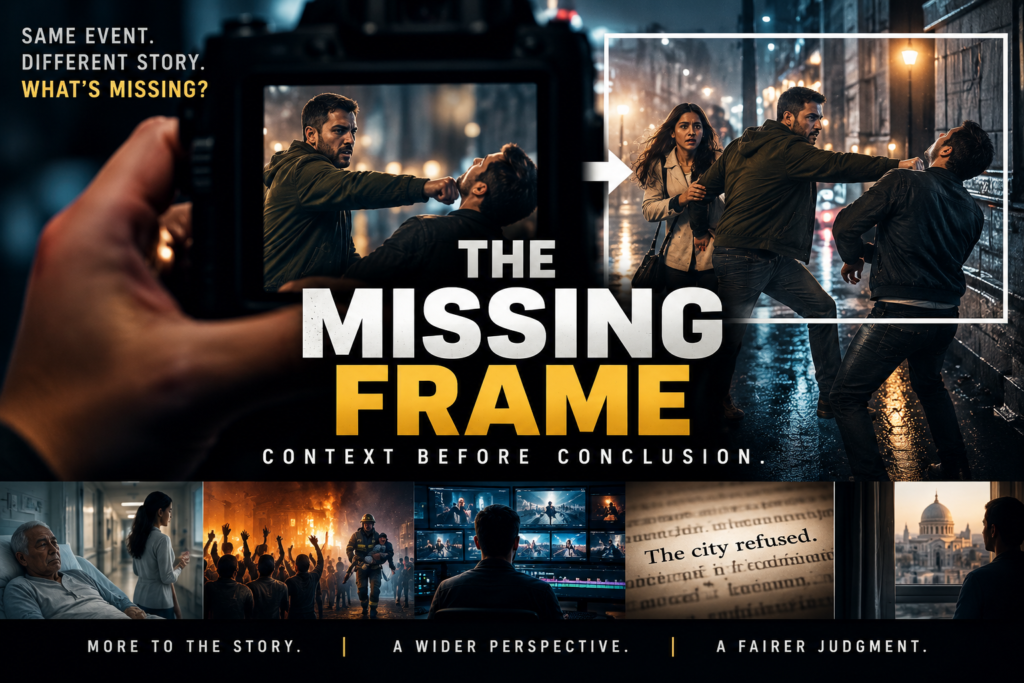
The Missing Frame | What You Saw Was Real. But Was It the Whole Story?

What if everything you were shown was true—and yet the conclusion you reached was wrong? The Missing Frame is a cinematic exploration of one of the most subtle problems in human judgment: a fact does not have to be false to create a false understanding. Sometimes, it only has to be separated from the context

The Missing Frame | What You Saw Was Real. But Was It the Whole Story? Read More »

Critical Thinking, , , ,

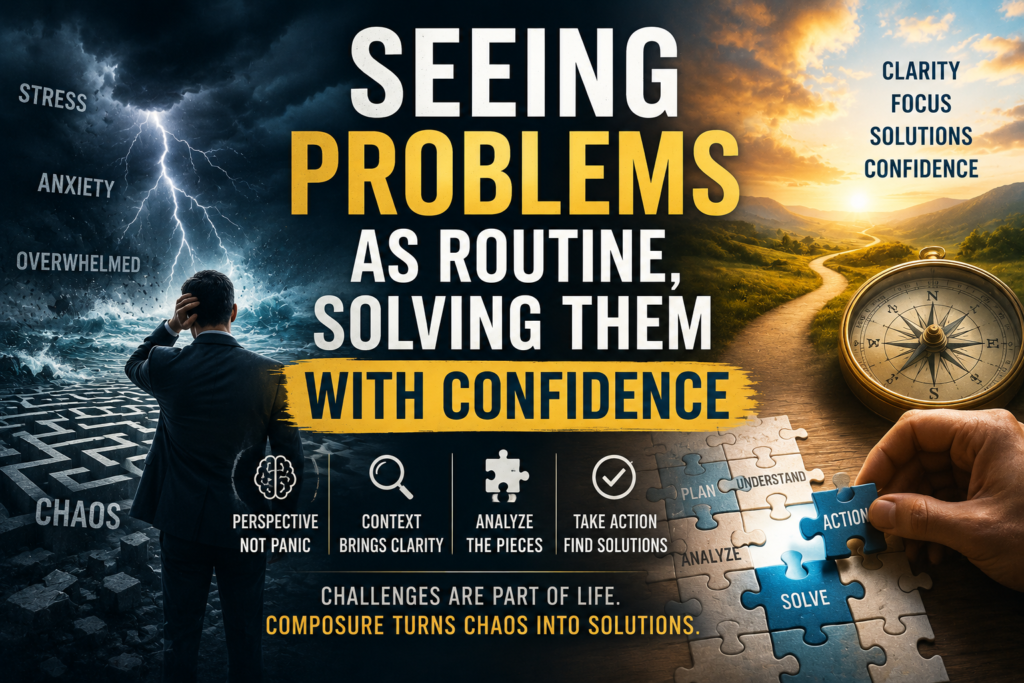
Seeing Problems in Context

(From Crisis Thinking to Confident Problem-Solving) A problem does not enter the mind only as an event. It also enters through our interpretation of the event. Two people may encounter exactly the same difficulty and experience it very differently. One sees a crisis; the other sees something inconvenient but manageable. The external situation may be

Seeing Problems in Context Read More »

Life Challenges,

Maazi ki Qaid — The Prison of the Past

“Maazi ki Qaid” (The Prison of the Past) is a philosophical Urdu song about one of the great contradictions of our time: humanity has developed the tools of the future, yet our thinking can remain imprisoned in the past. We have reached beyond the skies, connected voices across the world, created artificial intelligence, and developed

Maazi ki Qaid — The Prison of the Past Read More »

History, War, ,

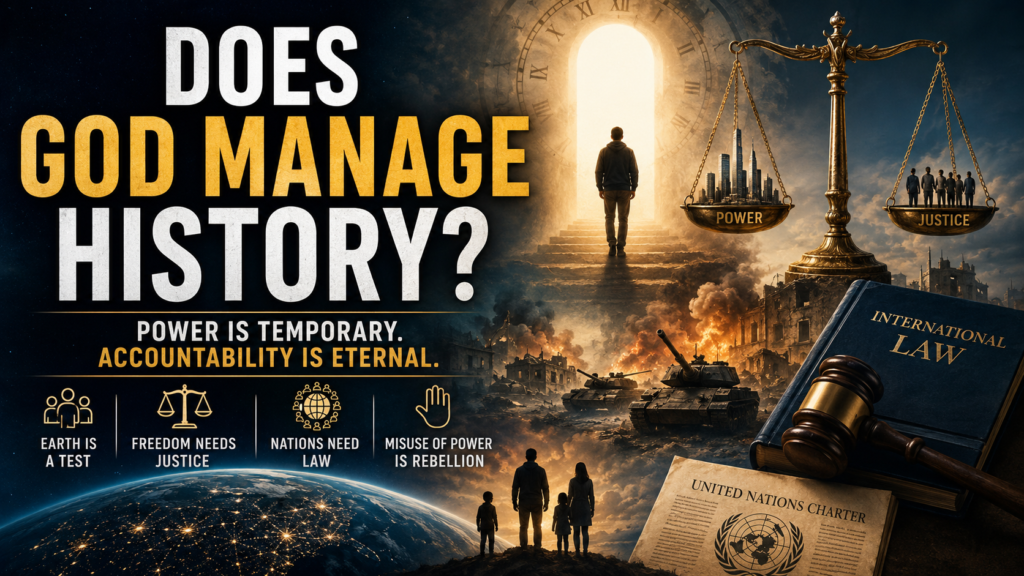
When Nations Forget the Creation Plan

Power, Freedom, Sovereignty, and the Purpose of Human Life Many of the problems humanity creates for itself may begin with a deeper intellectual failure: we forget the purpose for which human beings were placed on Earth. Wars, occupations, persecution, forced regime change, enslavement, political repression, exploitation, and struggles for domination are usually explained through economics,

When Nations Forget the Creation Plan Read More »

God the Almighty, , ,

The World as a Place of Trial

Freedom, Power, Human Progress, and the Moral Architecture of Civilization Many of humanity’s greatest tragedies—wars, occupations, genocides, forced regime changes, persecution, and struggles for domination—may arise partly from a fundamental misunderstanding of our place in the world. We often behave as though the Earth were humanity’s final destination and possessing more of it were therefore

The World as a Place of Trial Read More »

Life Purpose, , , , ,

When Reason Fails, Mockery Begins

(A Qur’anic Reflection on Human Behavior from the Prophets to the Present) One of the most profound psychological observations made by the Qur’an is not merely about ancient nations—it is about the recurring patterns of the human mind. Across Surah Ash-Shu’ara (Chapter 26 in the Qur’an), God recounts the stories of Noah, Hud, Salih, Lot,

When Reason Fails, Mockery Begins Read More »

Self, , ,